

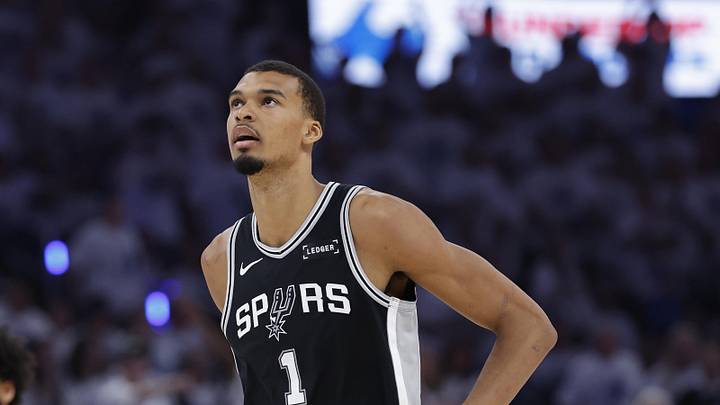
Victor Wembanyama is suddenly facing criticism that feels familiar in sports history. After the Spurs dropped another painful game against Oklahoma City and fell behind in the series, attention shifted away from basketball and toward his media approach.
Some critics interpreted his media no-show as a weakness, suggesting he owed the public something louder or more emotional after such a difficult loss.
But perhaps that interpretation misses the point entirely. Because not every superstar processes pressure through speeches, and not every competitor fights battles publicly before stepping back onto the floor.
NBA history is full of quiet responses
The expectation that stars must always deliver memorable media moments feels exaggerated. Some of the greatest players and coaches in basketball history have handled painful losses with little more than short answers, controlled emotions, or one-sentence responses that barely satisfied reporters.
Those moments are often criticized in real time, only to be forgotten entirely once the next game begins. And frankly, some are not much different than a no-show.
That does not mean those players lacked accountability or leadership. Sometimes it simply meant they were focused elsewhere, protecting their concentration rather than feeding a news cycle that rarely helps performance anyway. Wembanyama may be doing exactly that.
This is still Victor Wembanyama’s first playoff run
That context matters more than critics sometimes admit. Wembanyama is not a veteran champion navigating familiar territory. This is his first season carrying expectations of this magnitude, facing playoff pressure, public scrutiny, and emotional swings unlike anything he has experienced before.
And despite that, he already pushed the Spurs into serious contention. Expecting perfect emotional management while simultaneously asking him to carry a franchise may be asking too much too soon. Every superstar develops differently, and sometimes growth comes through discomfort, frustration, and learning how to channel pressure internally rather than projecting confidence publicly.
If he wants to strike back, he has to do it his own way. That does not make him soft. It makes him human.
Game 6 may benefit from Wembanyama's silence, not suffer from it
There is another possibility critics are overlooking. Perhaps Wembanyama is not retreating emotionally at all. Perhaps he is gathering himself.
The Thunder have clearly tried to challenge him physically and mentally throughout this series, attacking him directly and forcing reactions that few teams attempt. Oklahoma City deserves credit for disrupting his comfort and getting under his skin at times.
But emotional reactions cut both ways. Players who absorb frustration quietly can become dangerous very quickly once the game returns and the noise disappears. Sometimes the calm after disappointment is not surrender. Sometimes it is preparation. That possibility should not be dismissed heading into Game 6.
Great athletes are often misunderstood before they respond
Sports history offers reminders of that repeatedly. Muhammad Ali was once criticized for his childishness, arrogance, and refusal to fit traditional expectations of what greatness should look like. Many counted him out or dismissed him as too unconventional to survive the highest-pressure moments.
Then he beat the odds anyway. That comparison is not about equating careers or achievements. It is about recognizing how quickly public narratives form around athletes who choose their own path rather than the one observers expect.
And Wembanyama may be entering that territory now. The Spurs still face enormous pressure, and Game 6 may define the series. But criticism surrounding his media approach feels premature, especially when the real answer will arrive where it always does in basketball. Not at the podium. On the court.
 Add us as a preferred source on Google