

The NBA All-Star Weekend used to be simple. The best athletes in the world met on one stage and competed. East versus West. Pride versus pride. It was imperfect, sometimes sloppy, but it was undeniably about basketball excellence.
Now it feels different. Not worse in every aspect, but different in intention. What once felt like a tug of war between elite competitors increasingly resembles a tug of war between identities, narratives, and market positioning. The shift is subtle, but it is real.
The NBA dunk contest tells the story
Take this year’s dunk contest. The lineup felt less like a gathering of the most prepared high-flyers and more like a curated cultural moment. Jase Richardson arrived carrying the legacy of his father, Jason Richardson.
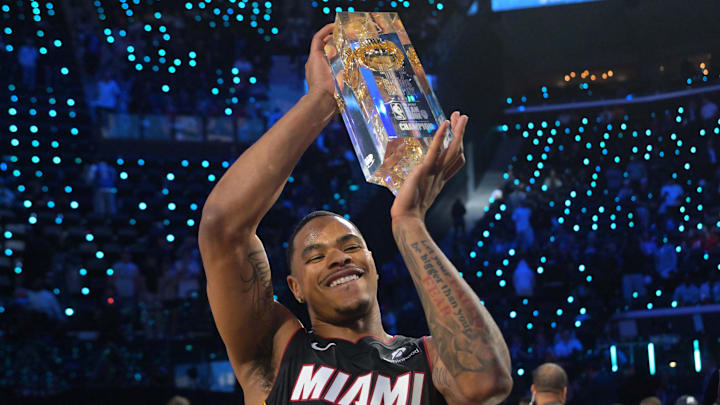
Jaxson Hayes represented the Los Angeles Lakers brand. California-born Keshad Johnson fit perfectly with the Los Angeles setting. The contest felt identity-driven, not athlete-driven.
Contrast that with Mac McClung, the G League underdog who famously spent a full year crafting precise, technical dunks that wowed both judges and fans. His preparation was surgical. His sportsmanship is genuine. He elevated the event because he treated it like a competition.
This year, that edge was missing. Johnson’s swag kept him composed, but he spent more time dancing than redefining gravity. His dunks were solid, not legendary. Bryant may have been the better raw athlete, but he struggled to adapt to the stage and the pressure.
Culture rewarded adaptability. The fan in front of the television still wanted to see breathtaking dunks. That disconnect matters.
The NBA's All-star weekend format shift reveals a bigger agenda
The transformation extends beyond the dunk contest. The traditional East versus West rivalry has gradually given way to Team World versus Team USA framing. On paper, it reflects reality. The league is more international than ever. Stars like Luka Dončić symbolize that global rise.
But these players already compete across conferences. They already meet throughout the season. The identity rebrand is not about necessity. It is about market expansion.
The NBA hopes to grow its global footprint, and the All-Star Weekend has become a testing ground for that strategy. Dončić has even joined investment efforts aimed at potentially bringing an NBA franchise to Europe. The ambition is clear.
What is less clear is how the league plans to reconcile ambition with reality. The current U.S. schedule already stretches players to their limits. A permanent transatlantic franchise would require regular long-haul flights in a season that already strains bodies. Before expanding the map, the NBA must confront logistics.
A more practical experiment might be allowing European teams to participate in the annual NBA Cup or hosting select tournament games abroad. That tests global appetite without restructuring the entire league.
Is the NBA's new culture replacing competition?
This cultural pivot is not inherently wrong. The NBA should evolve. It should embrace its international talent. If the All-Star Weekend becomes more compelling because of it, change is welcome. The problem is that the event has not become more compelling. It has become more curated.
Without Kobe Bryant’s intensity, the All-Star Game itself lost much of its grit. It often feels like a showcase rather than a battle. Stephen Curry has periodically injected electricity with absurd long-range shots, but those moments are isolated sparks, not structural competitiveness.
With McClung absent, the dunk contest’s technical precision faded. The NBA is orchestrating a cultural shift, moving from pure athletic supremacy toward global identity shaping. The question is whether that shift enhances the product or dilutes it - the ratings from the NBA last Finals tell a story.
 Add us as a preferred source on Google